
Room tone is one of the most useful elements in sound recording and post-production, yet it is often overlooked. It captures the natural background sound of a space, providing the subtle acoustic detail needed to make dialogue edits feel continuous and environments sound believable.
From a quiet bedroom to an office building with distant traffic outside, every interior has its own acoustic character. Understanding how to record, select and use room tones can make a significant difference to the realism of a film, documentary or video production.
WHAT IS ROOM TONE?
Room tone is the natural background sound present in a location. It can include ventilation, distant traffic, the faint presence of activity outside, electrical hums and the general acoustic character of a room.
Even when a space appears silent, it rarely sounds completely empty. Microphones capture subtle background details, reflections and environmental sounds that contribute to the identity of the location.
Room tone is different from digital silence. Digital silence contains no audible signal, while a room tone recording preserves the natural background of a real environment.
It is also closely related to ambience, although the terms can be used differently depending on the production. Room tone generally refers to the underlying sound of an interior, while ambience can describe a broader environmental soundscape, including more noticeable activity and movement.
WHY IS ROOM TONE IMPORTANT IN FILM AND DIALOGUE EDITING?
During dialogue editing, individual lines and takes are often assembled from different moments in a recording session. The background sound can change between takes, microphones may capture different levels of environmental noise, and edits can create abrupt gaps in the underlying ambience.
Room tone helps maintain continuity between these edits.
A suitable recording can be placed beneath dialogue to fill gaps, smooth transitions and prevent the background from suddenly disappearing between words or sentences. It can also help create a consistent acoustic environment when dialogue has been recorded across multiple takes.
Room tone is useful beyond dialogue editing. It can help establish the atmosphere of a location, extend an interior scene, or provide a natural background layer for sound design.
The key is to choose a recording that matches the acoustic character and background conditions of the scene.
HOW TO RECORD NATURAL ROOM TONE
Recording useful room tone starts with paying attention to the environment rather than trying to eliminate every sound.
Choose the right location
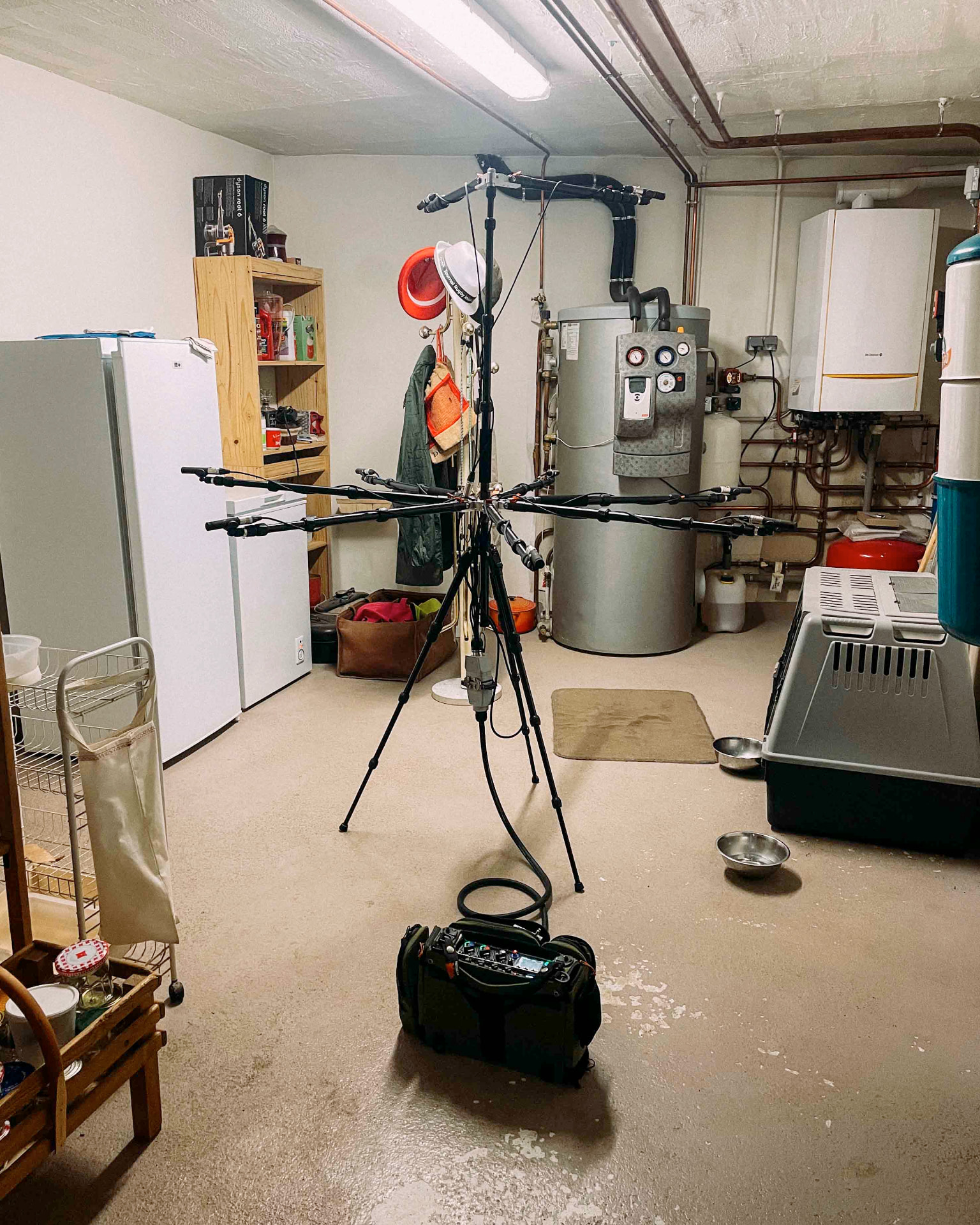
Different rooms have different acoustic properties. A bedroom, a basement, an office and a large entrance hall will each produce a distinct combination of reflections, background noise and exterior sound.
Recording a variety of spaces provides more options when matching a scene in post-production.
Record with windows open and closed
Window position can significantly influence the relationship between an interior and its surroundings.
With windows closed, exterior sounds may be more attenuated, depending on the building and the windows themselves. With windows open, traffic, birdsong, wind and other outdoor details may become more prominent.
Recording both conditions provides useful alternatives when searching for a matching background. The difference can be subtle in some rooms and much more pronounced in others.
Allow the environment to settle
For room tone intended to support dialogue, avoid introducing unnecessary movement or handling noise during the recording. Listen carefully to the space and allow its natural background to remain present.
The recording duration should be long enough to capture a representative sample of the environment, including any subtle variations that occur naturally.
Capture the spatial character of the room
The recording format also influences how a room tone can be used later.
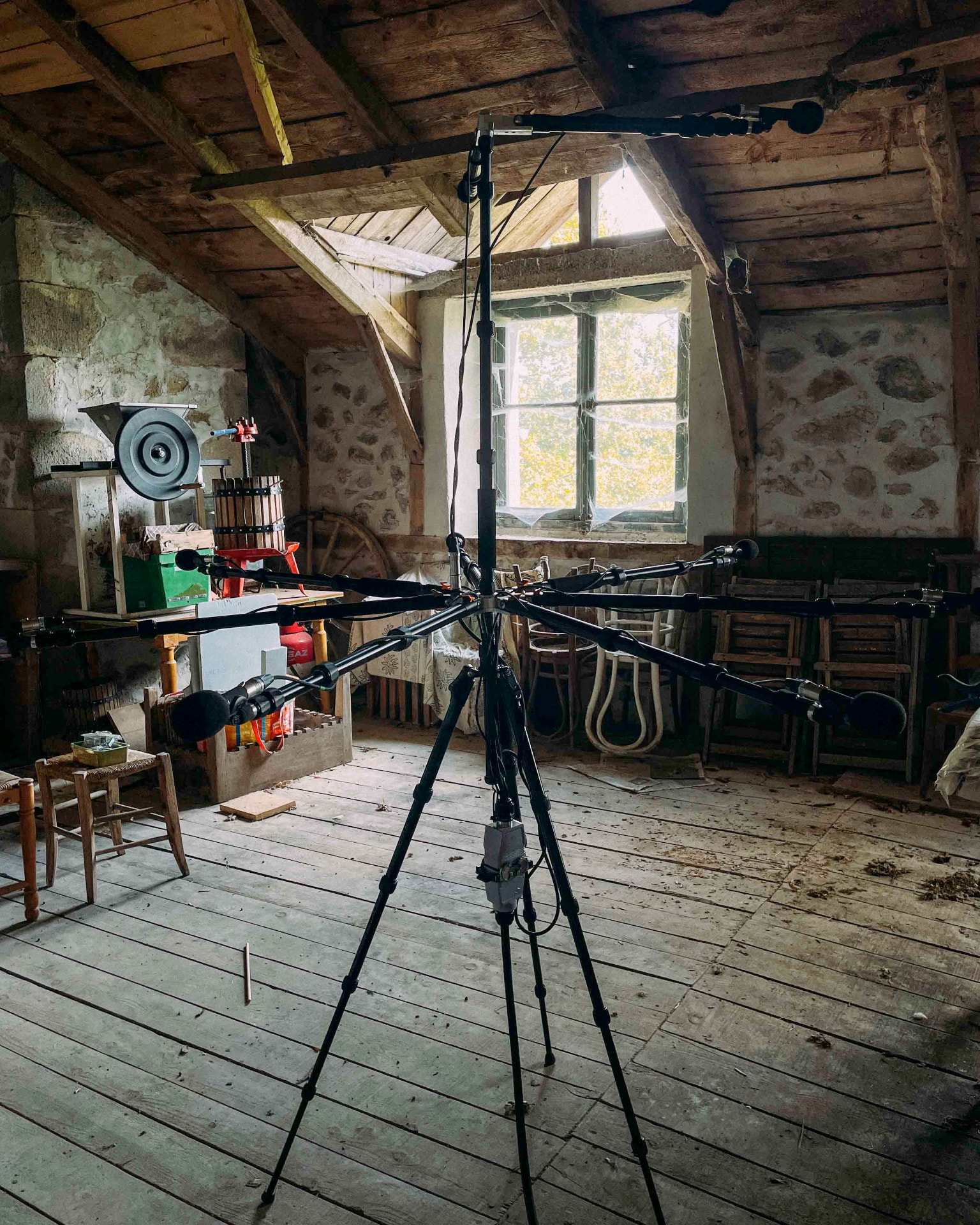
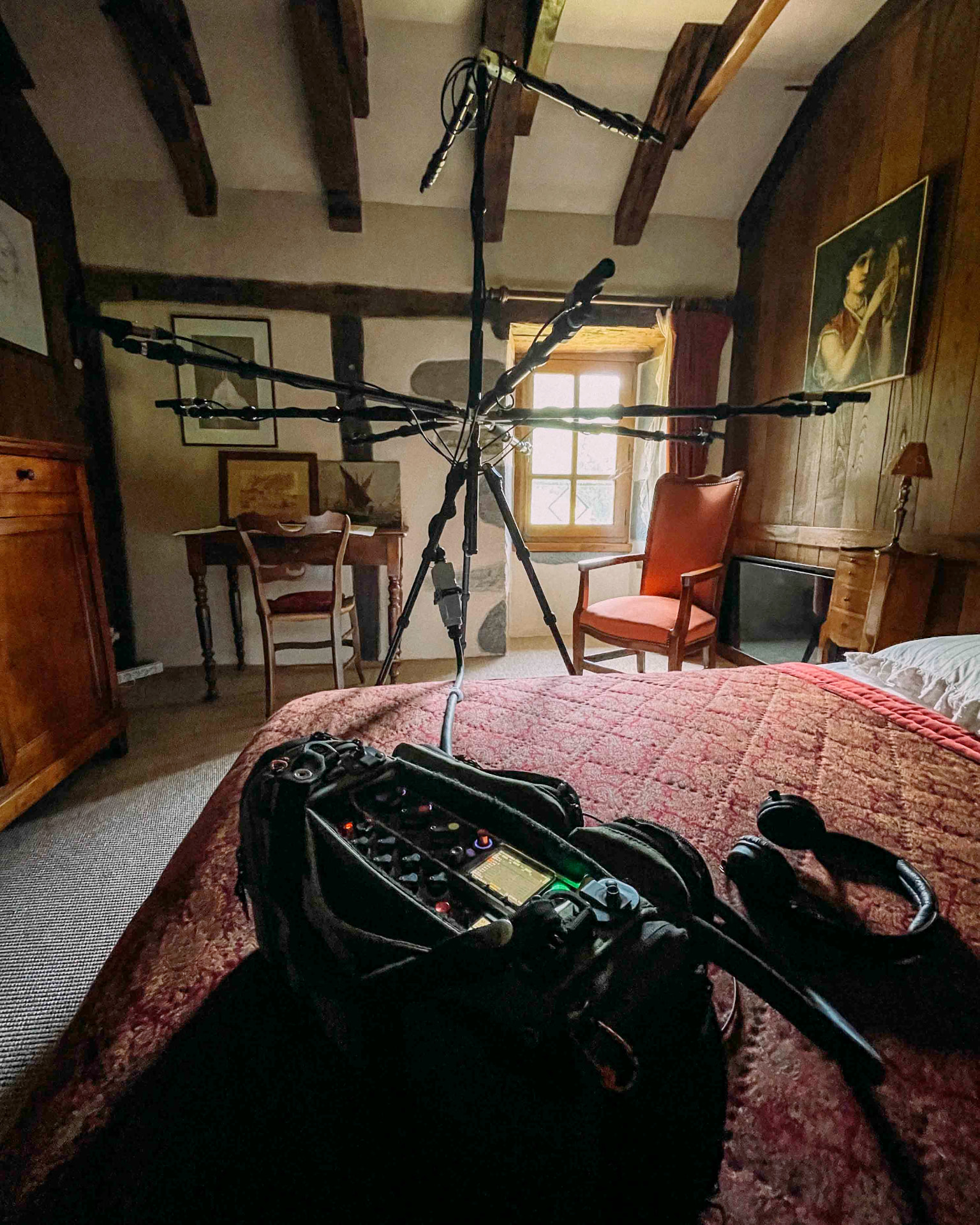
A stereo recording offers a practical option for many editing and sound design workflows. Multichannel and immersive recordings can preserve a more detailed spatial representation of an environment, depending on the microphone arrangement and recording technique.
The most appropriate format depends on the intended production and the playback environment.
CHOOSING THE RIGHT ROOM TONE FOR A SCENE
Selecting room tone is not simply a matter of finding a recording labelled “bedroom” or “office”. Two rooms with the same function can sound very different.
Consider the acoustic character of the location, the amount of exterior sound, the window configuration and the presence of background elements such as ventilation or distant activity.
A quiet interior with closed windows may be appropriate for one dialogue scene, while another may require the more open sound of a room connected to a busy street or a garden.
Organising recordings by location and recording conditions makes this process easier. Clear filenames and consistent metadata also help sound editors find suitable recordings without having to audition an entire library.
STEREO, SURROUND AND IMMERSIVE ROOM TONES
Room tones are available in different recording formats, each suited to different workflows.
Stereo room tones are practical for conventional dialogue editing, video production and many sound design tasks. They are easy to integrate into standard stereo sessions.
Multichannel room tones, such as LRC or 5.0 Surround, offer additional channel configurations for productions working in surround sound. Their usefulness depends on the delivery format and the way the recordings were made.
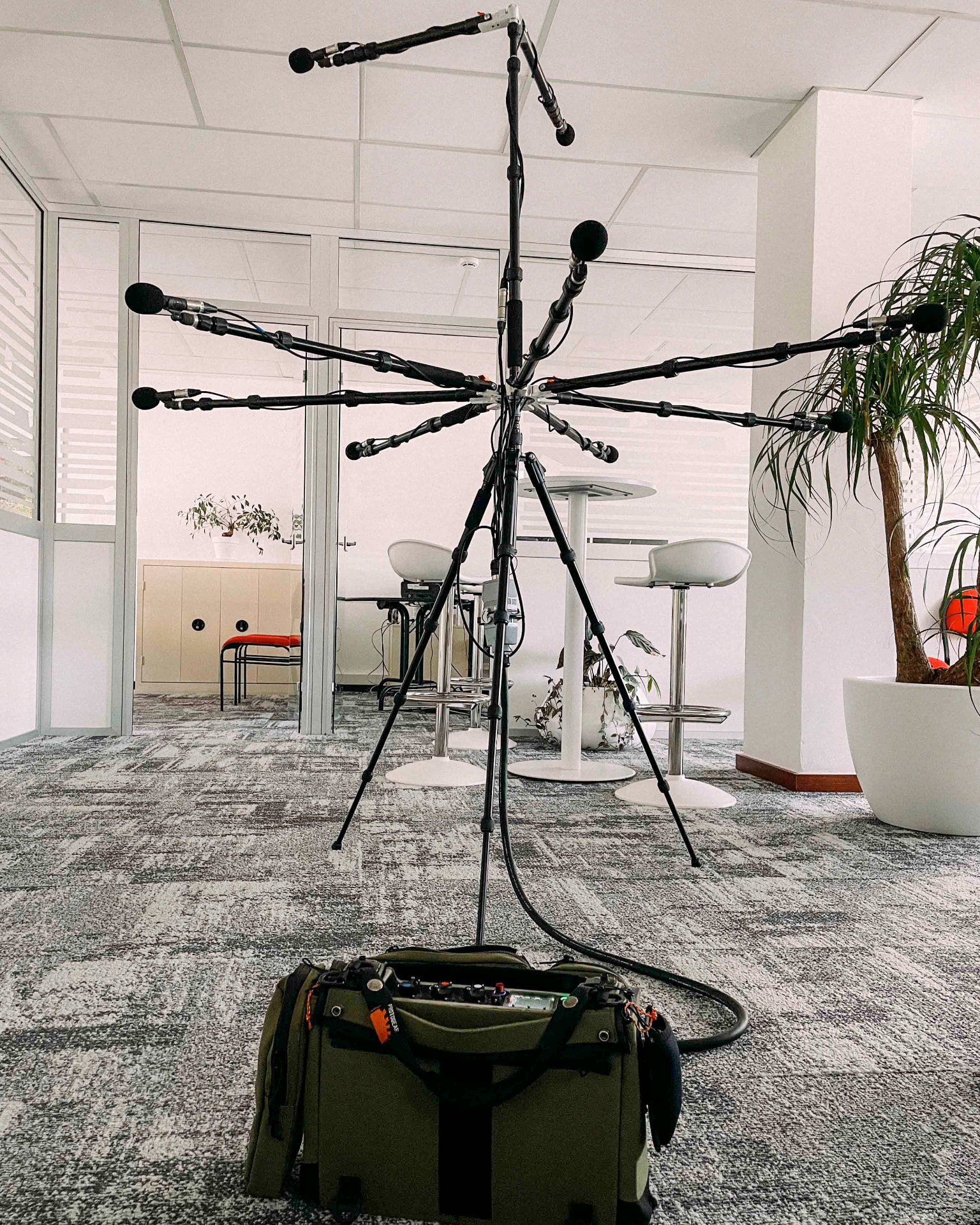
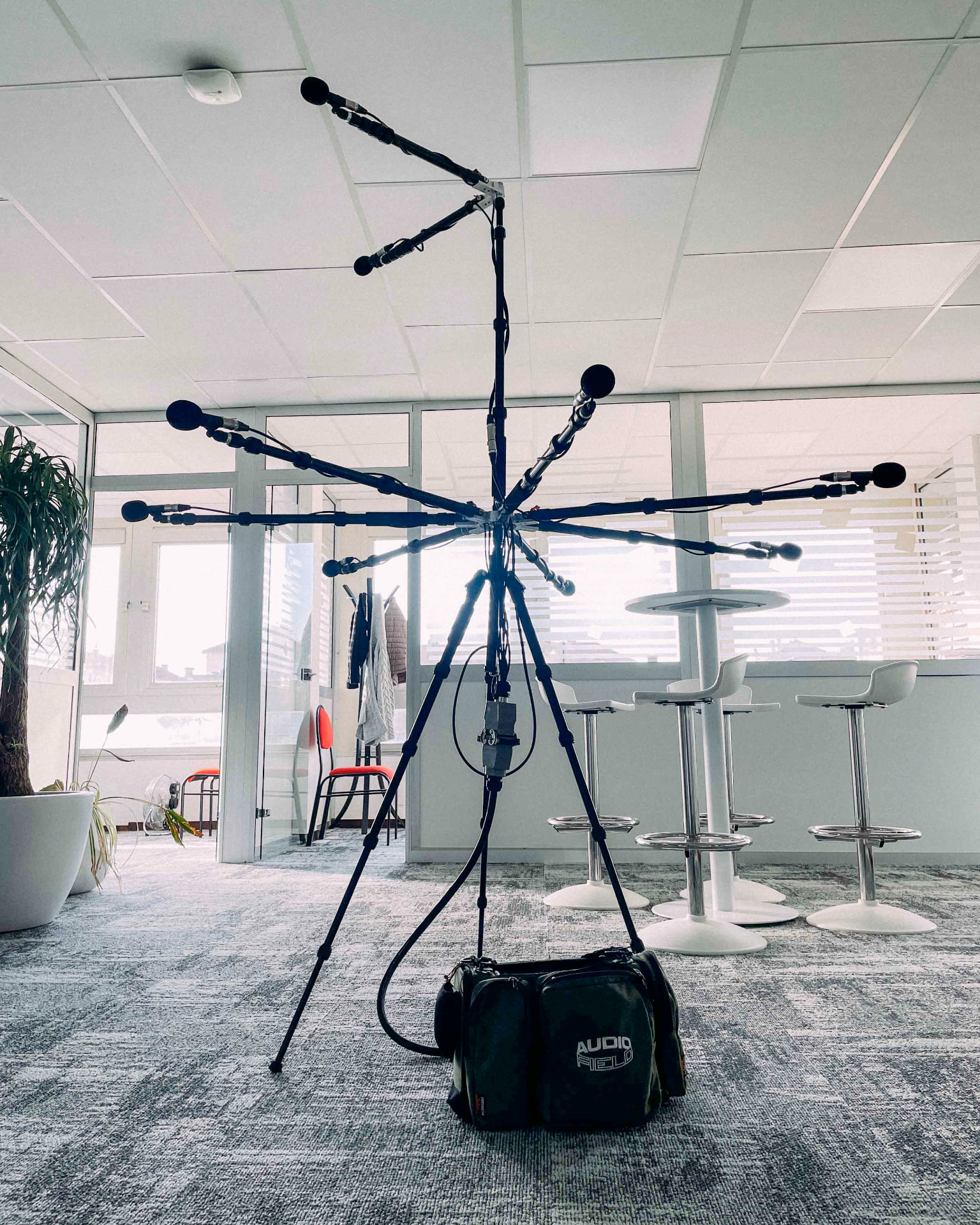
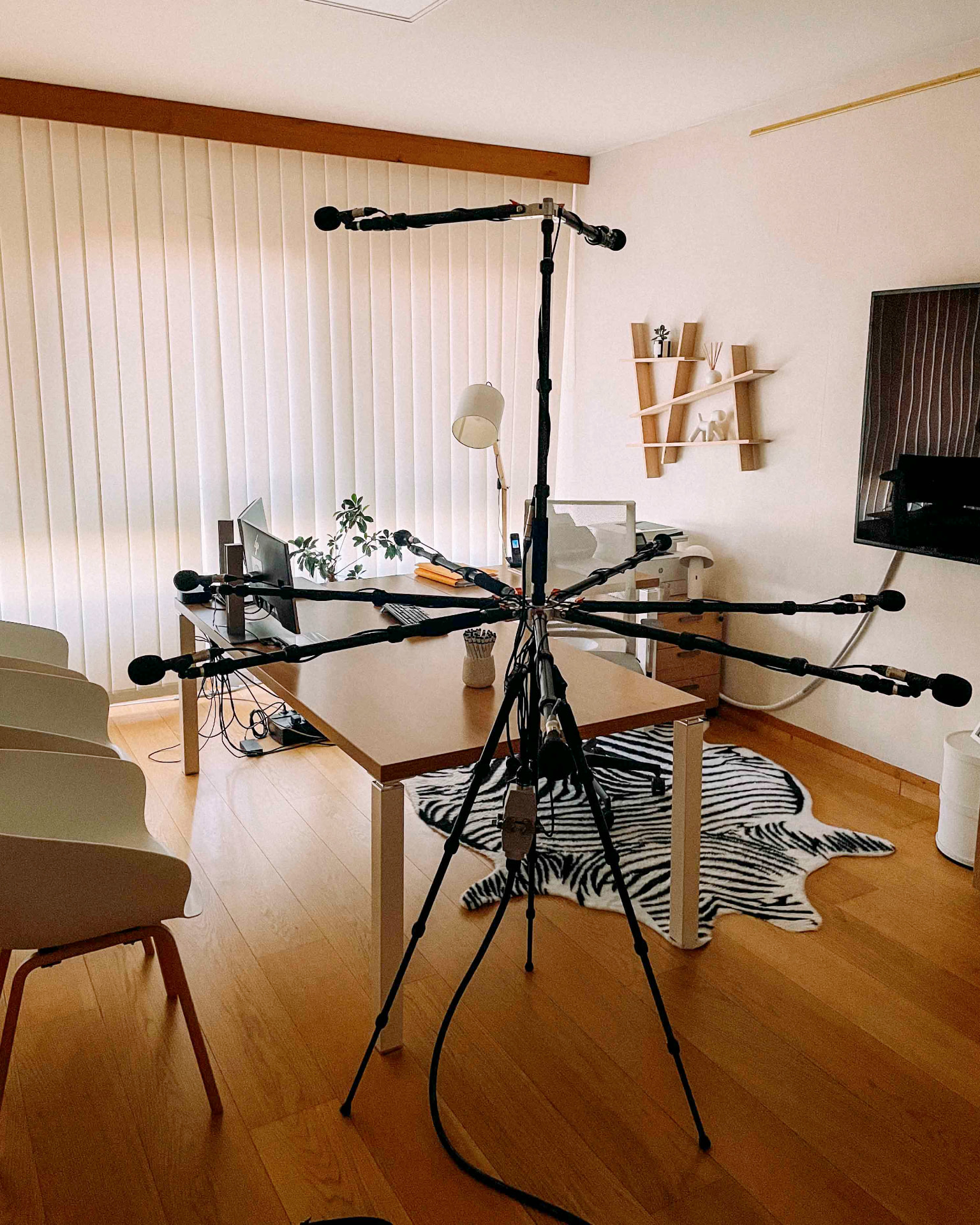
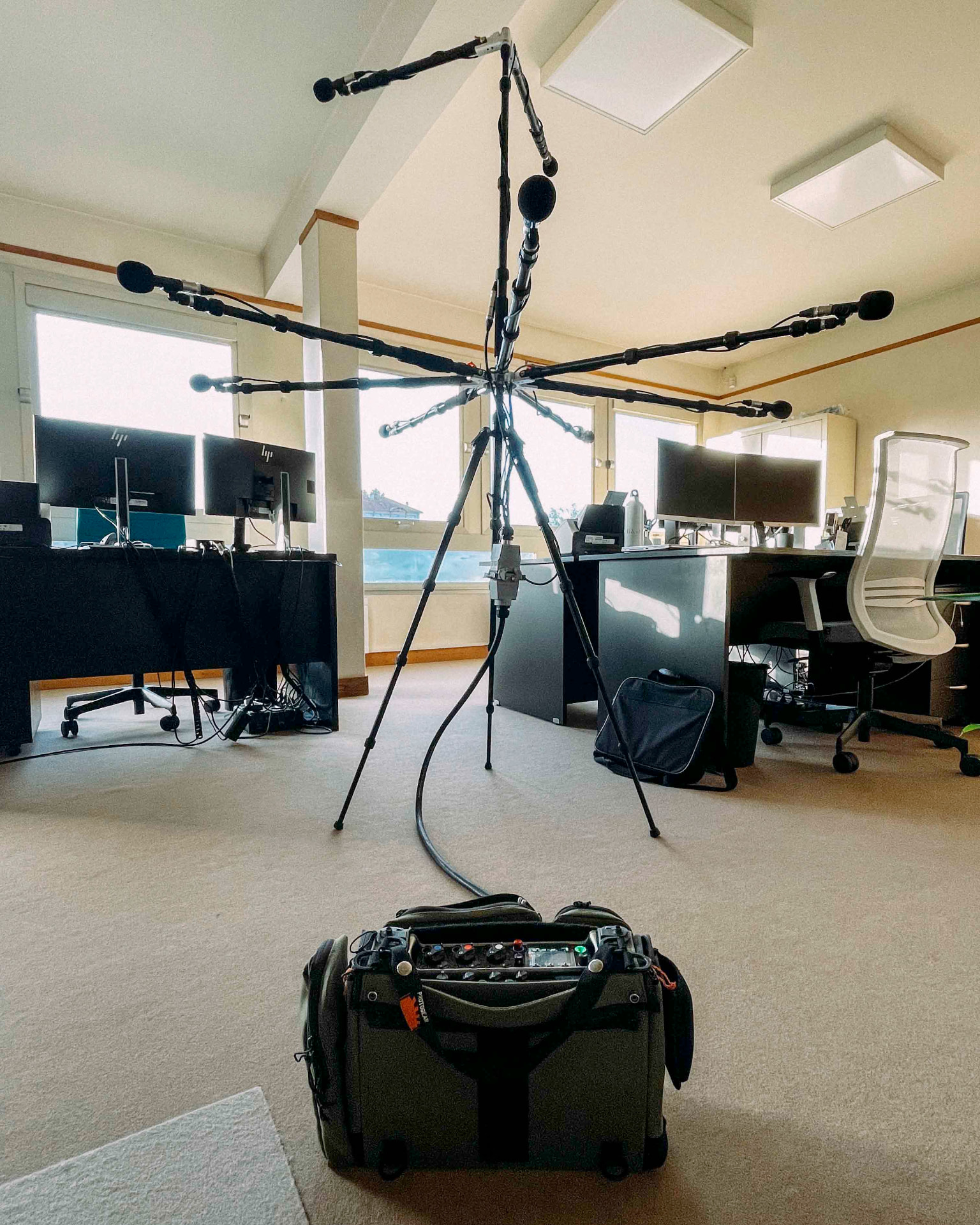
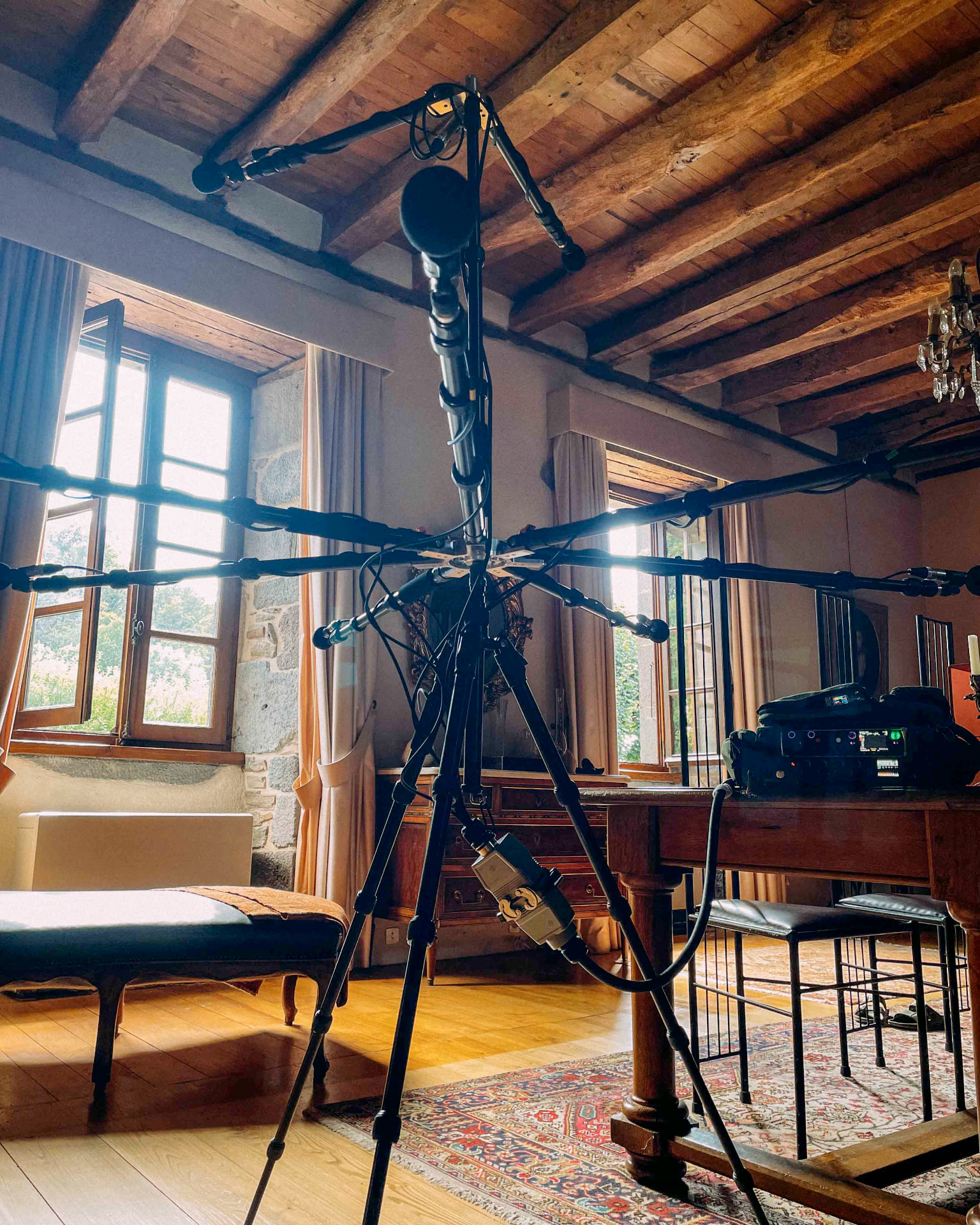
Immersive room tones, such as 7.0.2 Atmos recordings, capture an environment using a microphone arrangement that includes an overhead layer. This provides additional spatial information for compatible immersive workflows.
A stereo mixdown can also make an immersive recording more accessible to projects that do not require the full multichannel configuration.
These formats are not interchangeable in every situation. The best choice depends on the production, the desired spatial presentation and the technical requirements of the project.
WORKING WITH ROOM TONE SOUND LIBRARIES
A well-organised room tone library can save time during dialogue editing and sound design. Instead of searching through unrelated ambience recordings, editors can browse recordings according to the type of interior, the recording conditions and the available channel formats.
At Audio Field, two collections explore natural interior room tones through complementary recording formats.
General Room Tones
General Room Tones brings together natural interior recordings in Stereo, LRC and 5.0 Surround. The collection covers residential and other interior environments, with recordings organised by location and window configuration, including open, half-open and closed windows.
It is designed for sound editors and designers looking for natural interior backgrounds in conventional stereo and surround workflows.
Atmos Room Tones
Atmos Room Tones focuses on immersive 7.0.2 recordings of houses and office environments, with stereo mixdowns included. The recordings are organised by location and open- or closed-window configuration, helping users compare different relationships between the interior and exterior environment.
The collection is intended for productions that need immersive interior ambience, while retaining a stereo option for more conventional workflows.
CONCLUSION
Room tone is a small but essential part of creating believable sound. It helps maintain continuity between dialogue edits, preserve the acoustic identity of a location and build natural-sounding interior environments.
Recording different spaces, documenting their conditions and organising the resulting files carefully makes room tone more useful throughout post-production.
Whether working in stereo, surround or immersive audio, a well-curated collection of natural room tones provides sound editors and designers with practical tools for creating coherent and convincing environments.