
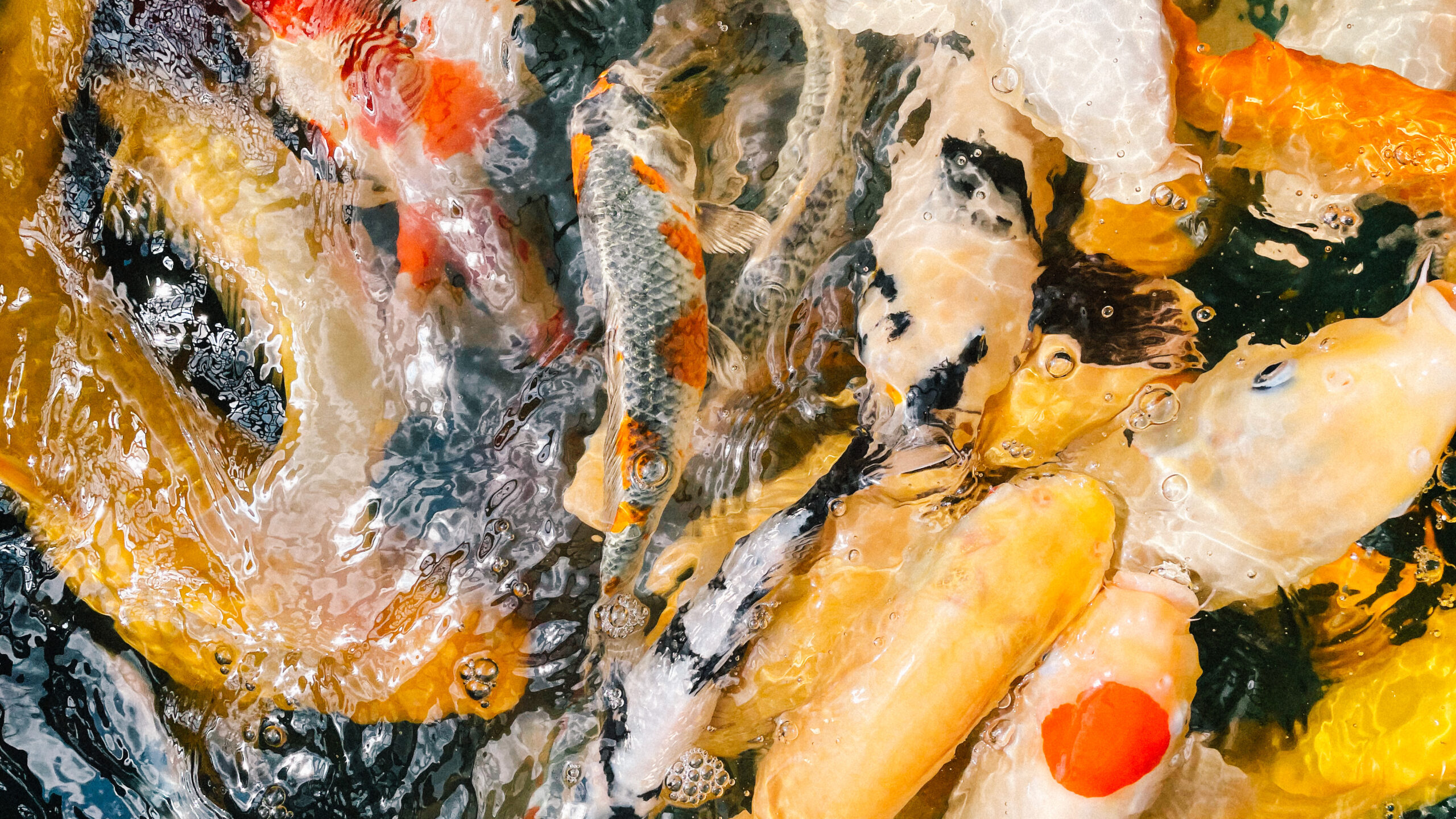
By submerging a hydrophone into the water, we uncover a rich sonic palette, a world of unprecedented textures and a new gateway to creativity.
What is a Hydrophone ?
A hydrophone is a microphone specifically designed to capture sound waves underwater. These microphones enable the exploration of entirely new soundscapes.
The Use of Hydrophones
Hydrophones are used across various fields, from scientific research to artistic creation. Below are their main applications :
- Marine Wildlife Studies
Marine biologists record the sounds of whales, dolphins, and other marine species to understand their behaviors, migrations, and social interactions. - Creation and Sound Design
The underwater world is brimming with unique sound textures. Whether capturing the fizz of sparkling water or the sounds of a coral reef, hydrophones allow experimentation with unprecedented sound materials. - Experimental Recording
The new sound palette created by hydrophone recordings opens up a new realm of creation and experimentation.
By submerging a hydrophone into the water, we uncover a rich sonic palette, a world of unprecedented textures and a new gateway to creativity.
Different Hydrophones On The Market
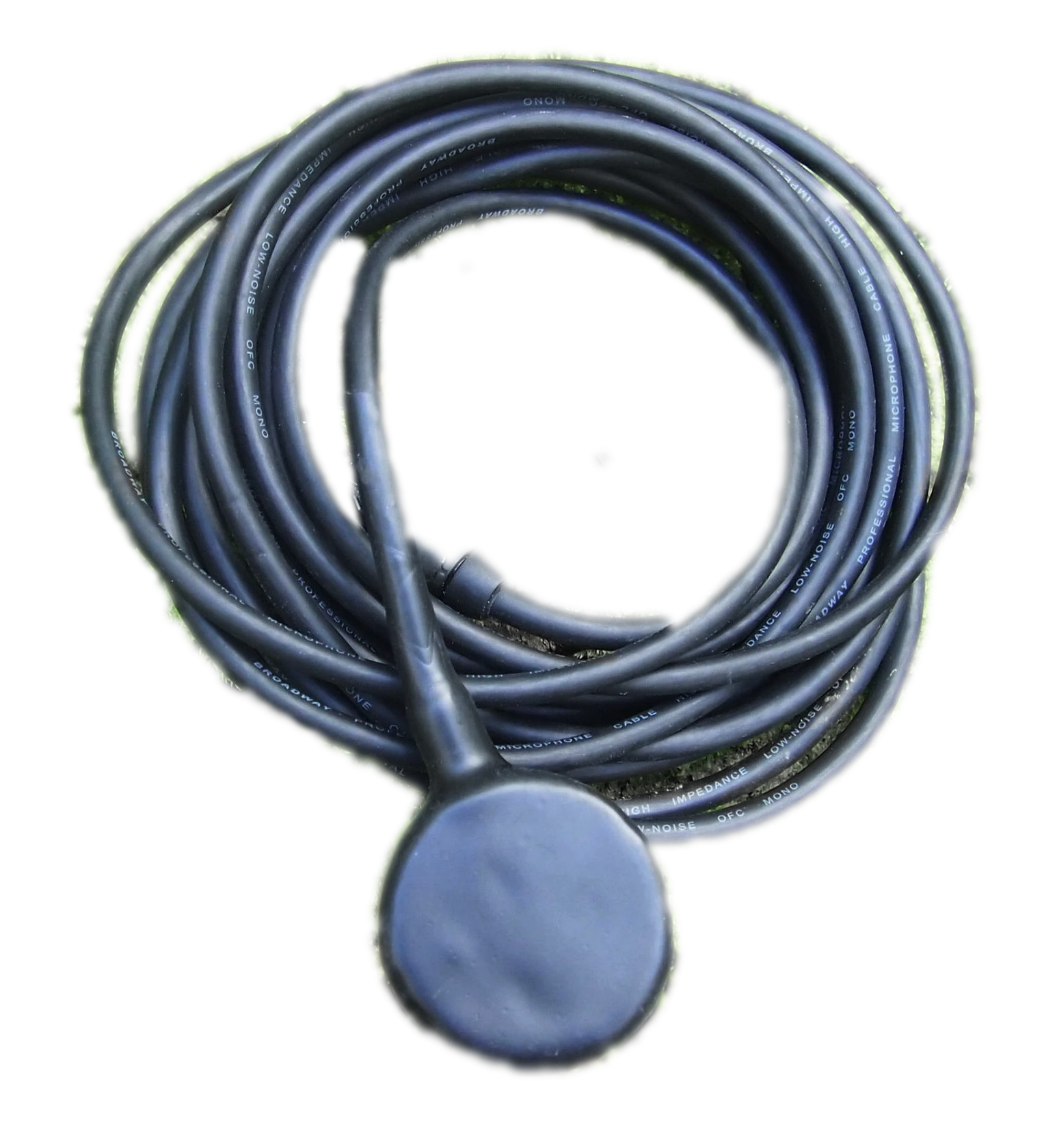
- Connector
- Jack 6,35 mm
- Price
- Around 60€
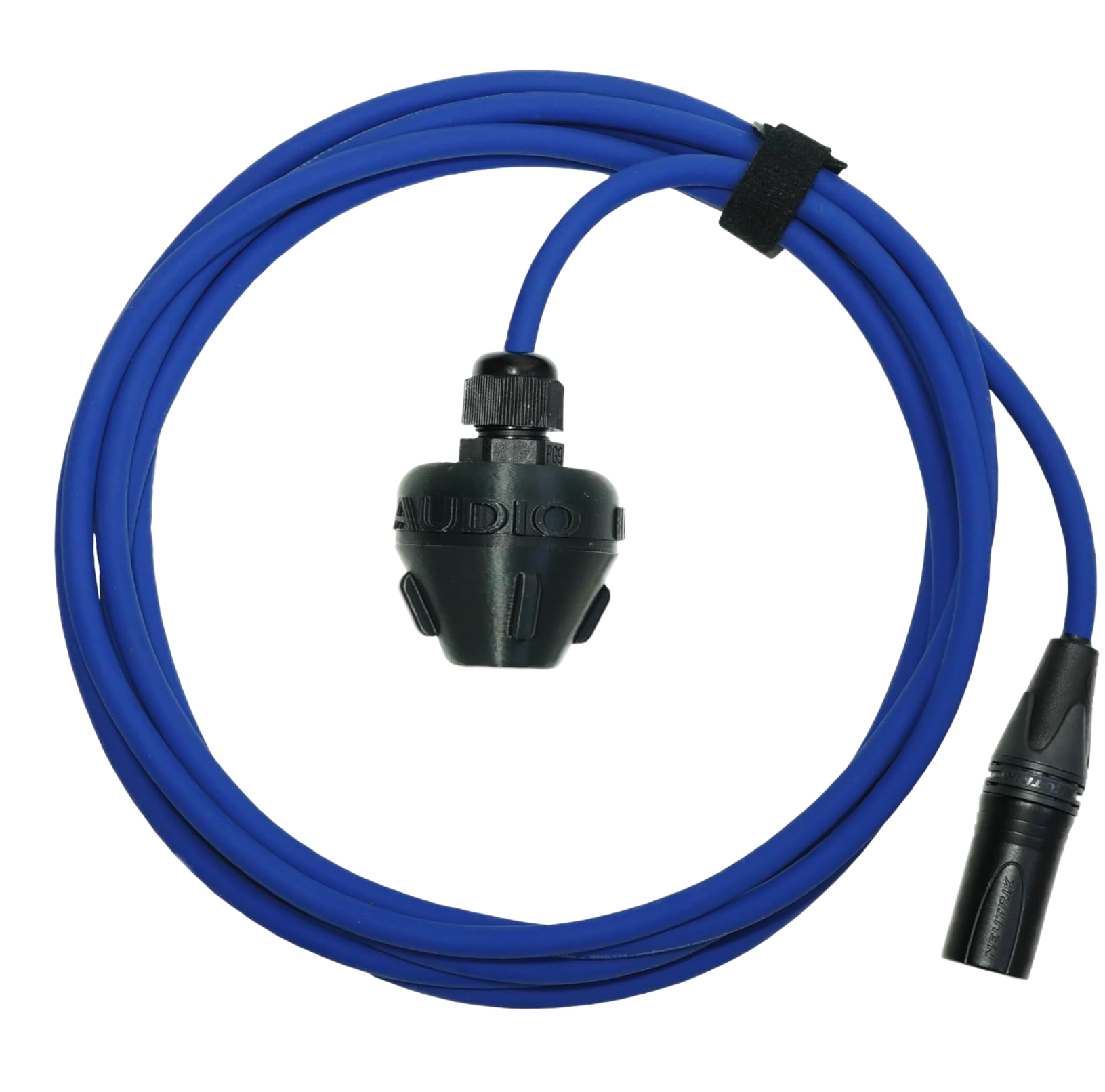
- Connector
- XLR
- Frequency Response
- 20Hz – 80kHz
- Price
- Around 75€
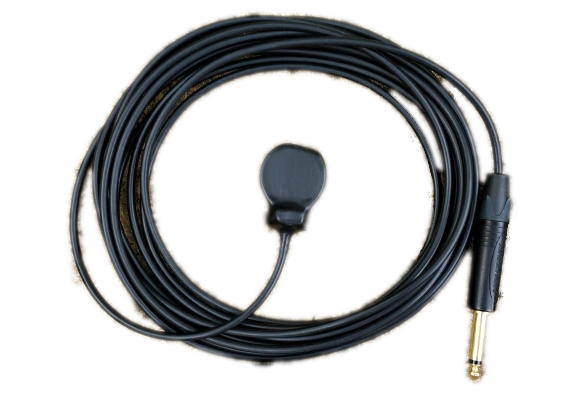
- Connector
- Jack 6,35 mm
- Price
- Around 80€
- Connector
- XLR
- Price
- Around 210€
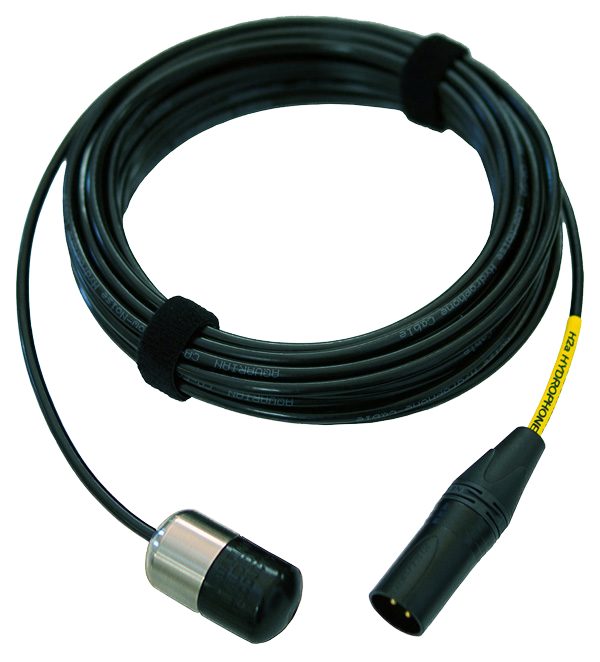
- Connector
- XLR,
- Frequency Response
- 70Hz – 20kHz
- Price
- Around 550€
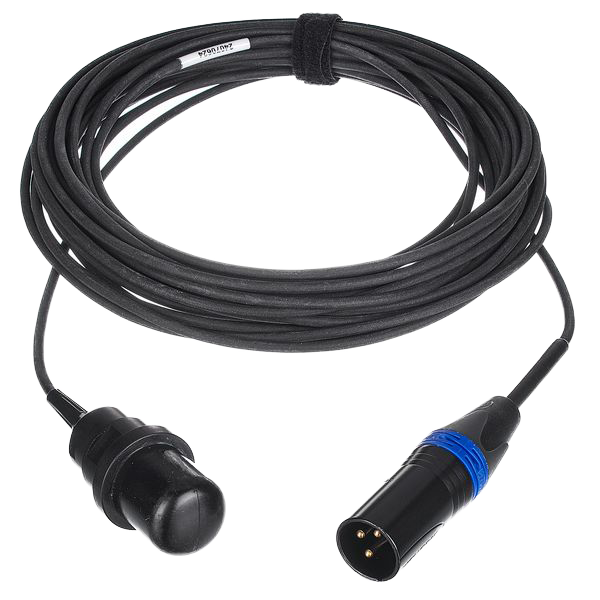
- Connector
- XLR
- Response
- 7Hz – 90 kHz
- Price
- Around 2000€
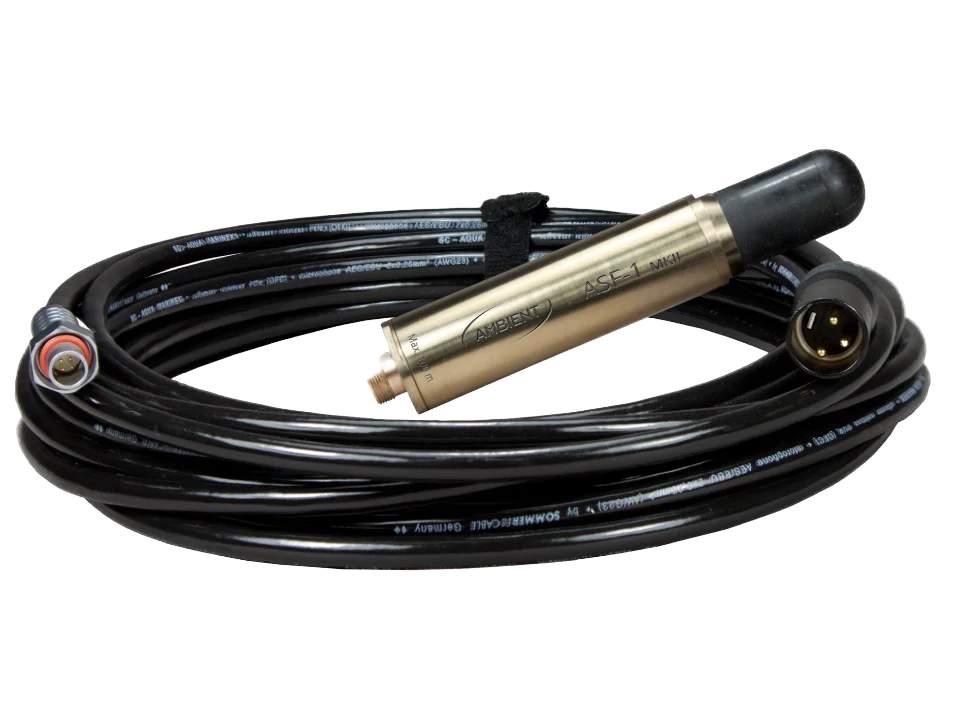
Limitations and Constraints
Although hydrophones work ingeniously, they also have some technical limitations :
- Limited frequency response : Hydrophone tend to capture a narrower sound range than traditional microphones, due to the environment in which they record.
- Limited registration field : In fact, these microphones are specially designed to operate in a liquid environment.
- Special precautions required : they may be sensitive to corrosion.
Some Usage Tips
- Isolation from unwanted noise
- Beware of unwanted or annoying sound propagation.
- Cleaning
- Don’t hesitate to clean them after use.
New Sound Perspectives
Hydrophones are much more than simple sound-capture tools. Whether you’re a scientist, artist, sound designer, diving into the underwater soundscape with a hydrophone opens a window to a new dimension of creation and knowledge.
They enable a new approach to sound recording and creative sound design by exploiting other environments. These tools unlock a new sonic world, pushing the boundaries of auditory creation. Dive into this universe.
Have you ever experimented with hydrophones ? Share your stories in the comments below !