
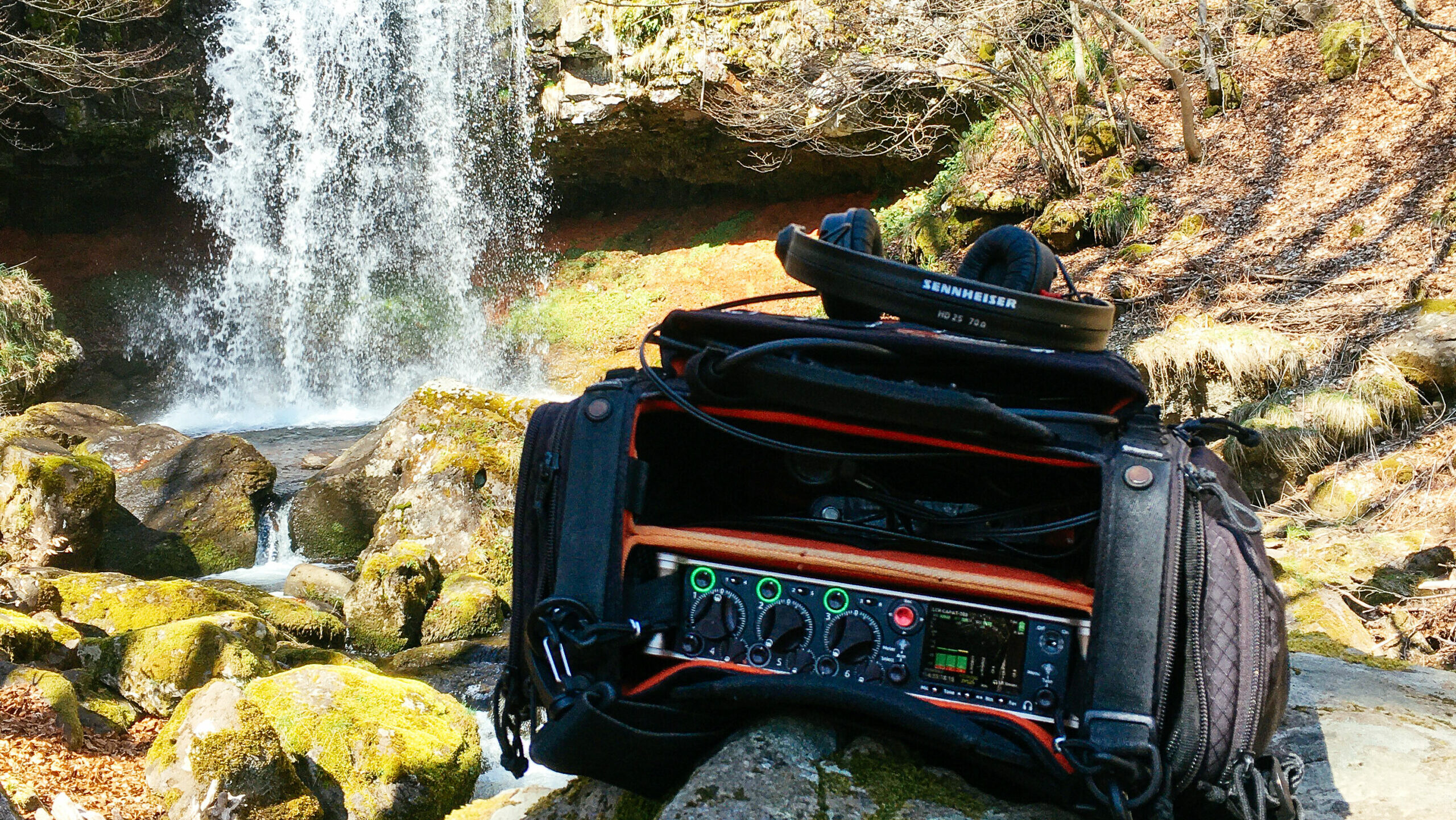
Contact microphones, or piezoelectric microphones, are fascinating tools that capture a hidden sonic universe. Thanks to their ability to record vibrations often imperceptible to the human ear, they highlight new textures and open unique possibilities for creativity.
What is a Contact Microphone ?
Unlike traditional microphones, which capture sound waves in the air, contact microphones record the vibrations of an object or solid surface directly, opening up a vast new sonic field.
The Use of Contact Microphones
With contact microphones, the range of sound sources expands, any material can become a source of sound. The potential for using contact microphones is huge, allowing for creativity across various fields :
- Music and Live Performance
Contact microphones are ideal for acoustic instruments, providing clear, natural sound without capturing ambient noise. Many musicians use them to amplify subtle sounds or experiment with new textures. - Experimental Recording
In experimental music, contact microphones allow everyday objects to become musical instruments. A simple wooden board, a glass, or a metal box can become a sound source. - Science and Engineering
Scientists also use contact microphones to measure vibrations or detect cracks in structures. They are commonly used in acoustic testing or vibrational analysis. - Sound Art and Installations
In sound installations, contact microphones can capture the vibrations of a sculpture or amplify the imperceptible sounds of an object. They enable exploration of the interactions between sound, material, and space.
Different Microphones On The Market
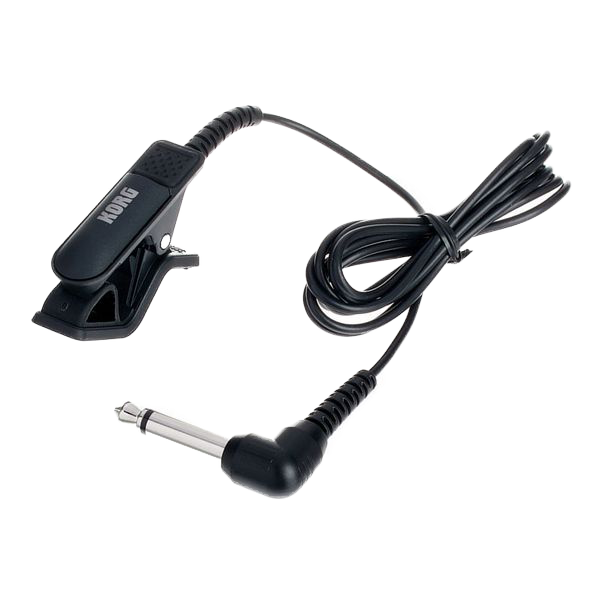
- Connector
- 1/4 jack
- Price
- Around 13€
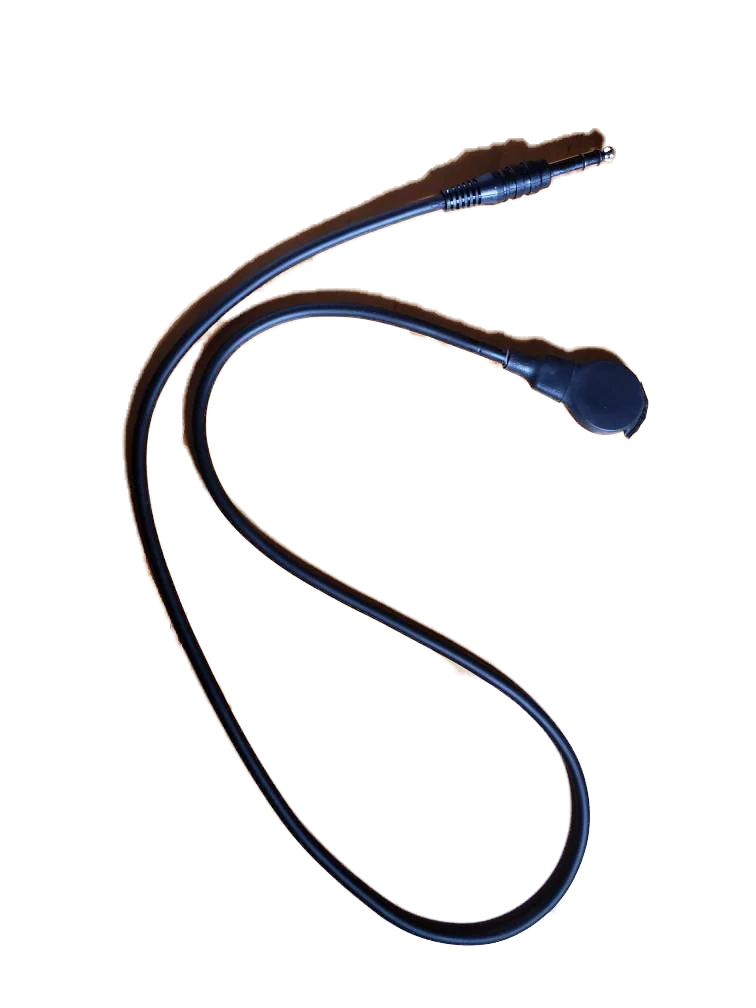
- Connector
- Jack 6,35 mm, stereo
- Price
- Around 32€
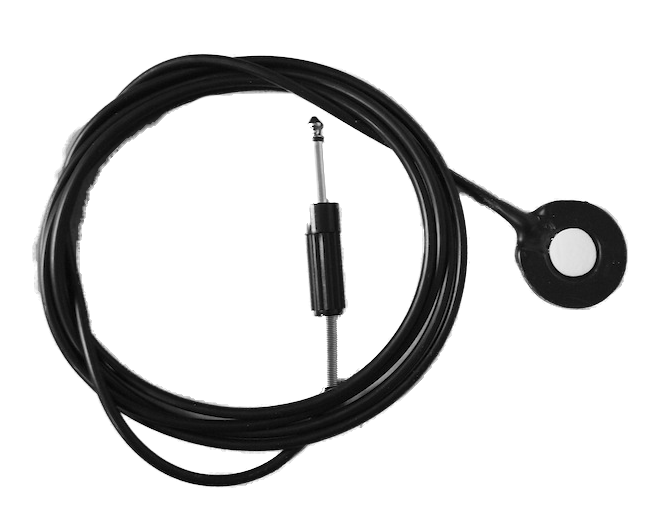
- Connector
- Jack 6,35 mm, XLR adaptors available
- Price
- Around 60€ without adaptor
- Connector
- ta3, XLR adaptors available
- Frequency Response
- 10 Hz – 18 kHz
- Price
- Around 166€ with adaptor
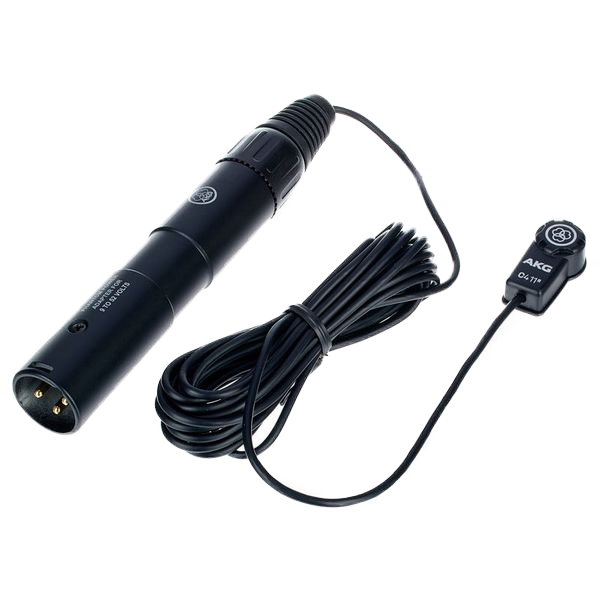
- Connector
- XLR adaptors available
- Price
- Around 190€
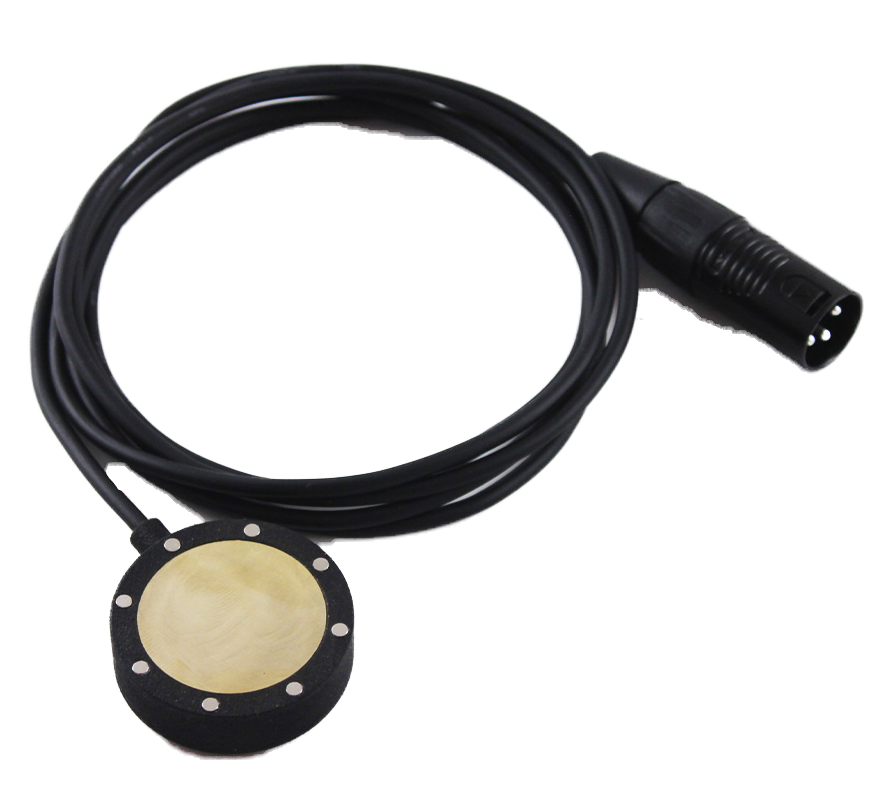
- Connector
- XLR adaptor
- Frequency Response
- 23 Hz – 40 kHz
- Price
- Around 215€ with adaptor
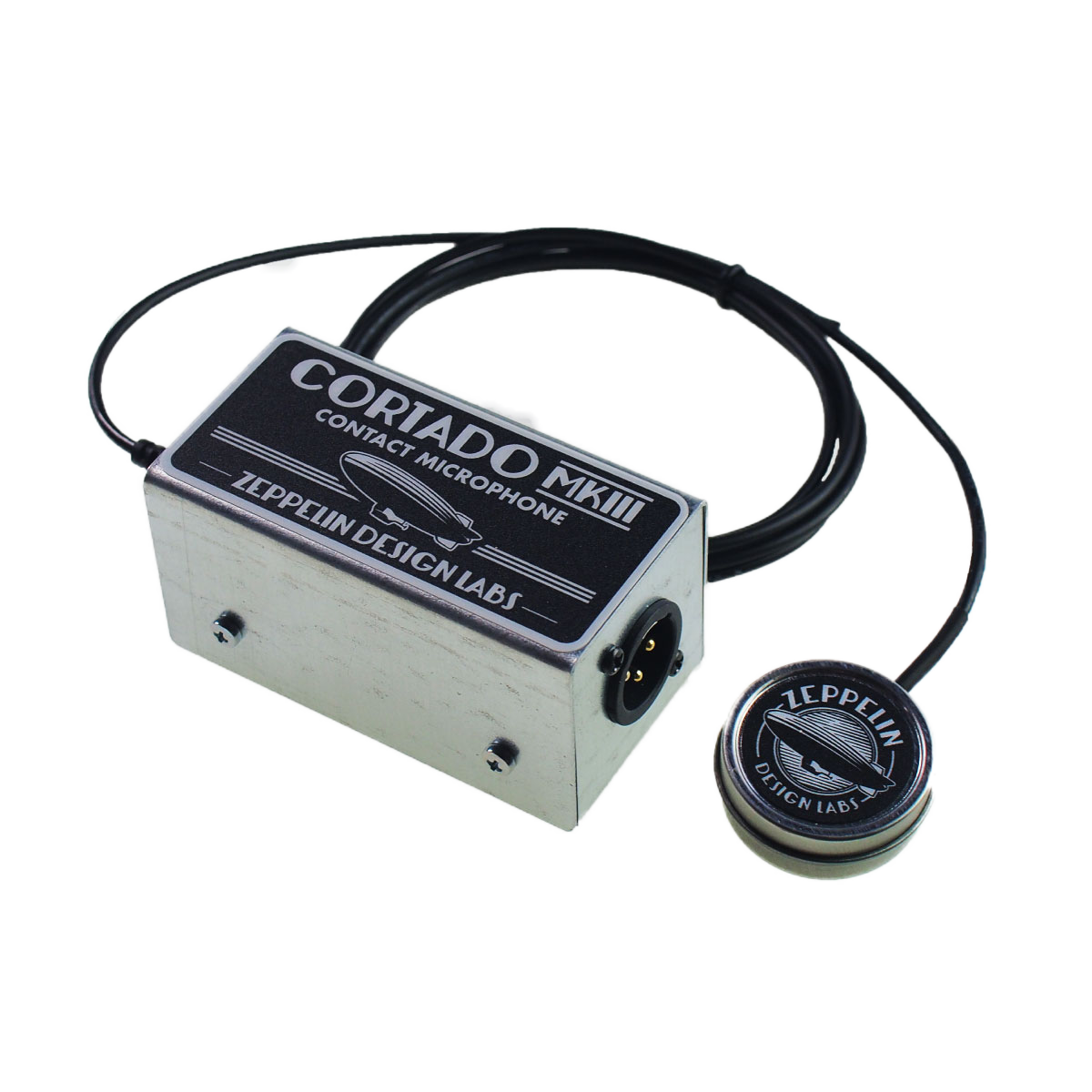
- Connector
- XLR
- Frequency Response
- 20 Hz – 16 kHz
- Price
- Around 493€
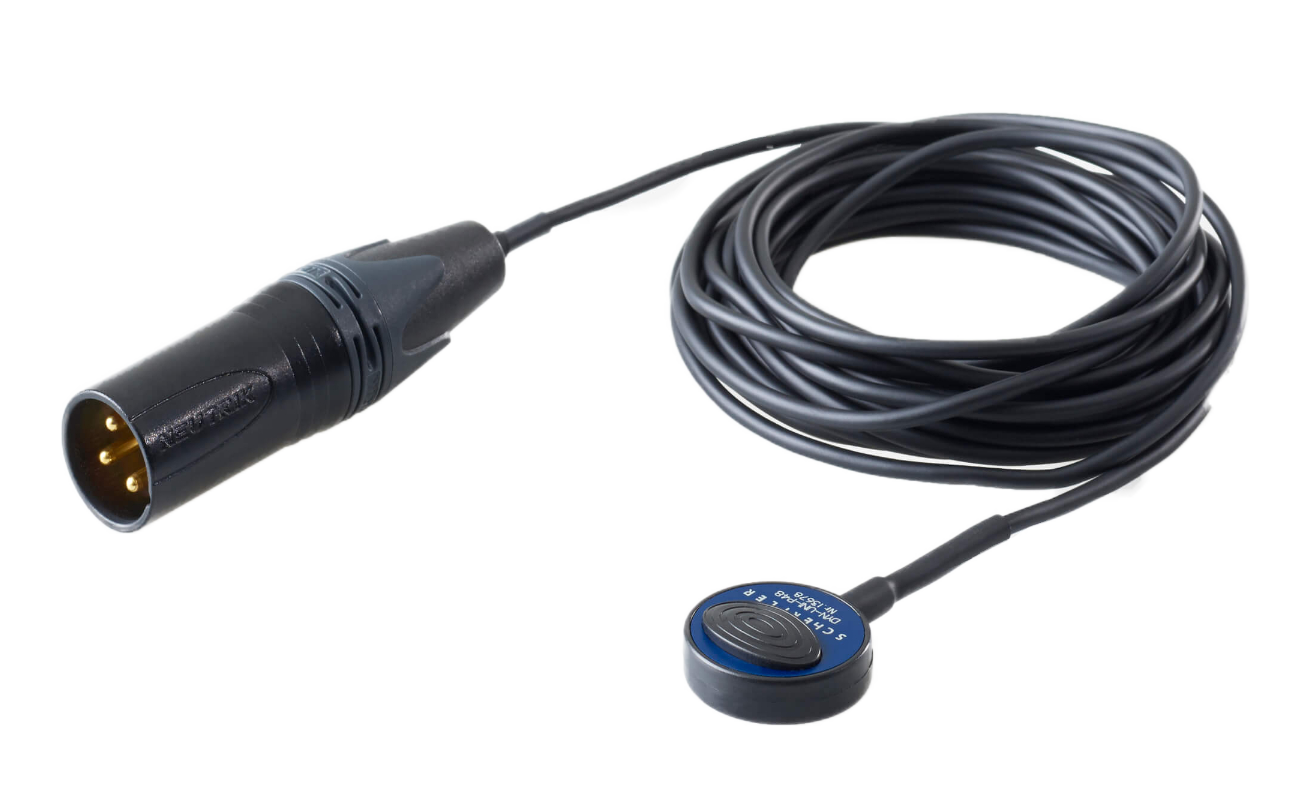
- Connector
- XLR adaptor
- Price
- Around 670€
Limitations and Constraints
Although contact microphones work ingeniously, they also have some technical limitations :
- Limited frequency response : Contact microphones tend to capture a narrower sound spectrum compared to traditional microphones.
- Sensitivity to placement : Their capture is highly dependent on where they are placed. Poor placement can result in uneven pickup or weak vibrations.
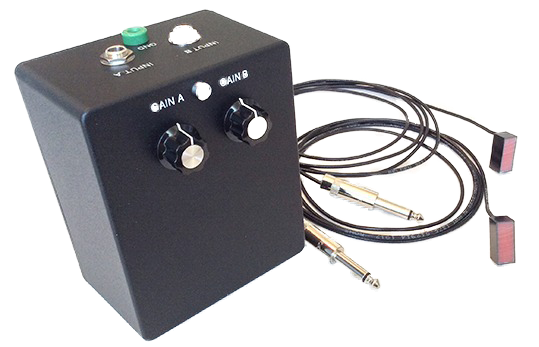
- Need for amplification : The signal produced is often very weak and requires a preamplifier to be usable.
Some Usage Tips
- Precise placement
- Test different positions to find the area where the vibrations are richest.
- Isolation from unwanted noise
- Be cautious of unwanted or parasitic vibrations.
- Mounting
- Use double-sided tape or adhesive putty to secure the microphone without altering the surface.
New Sound Perspectives
Contact microphones offer a unique and exciting approach to sound capture. Whether you’re a sound designer, musician, or artist, there are hidden sounds in our world, these tools can open up new perspectives. Their ability to transform invisible vibrations into a tangible sonic universe makes them a valuable ally for exploring the depth of sound.
Have you ever experimented contact microphones ? Share your stories in the comments below !