
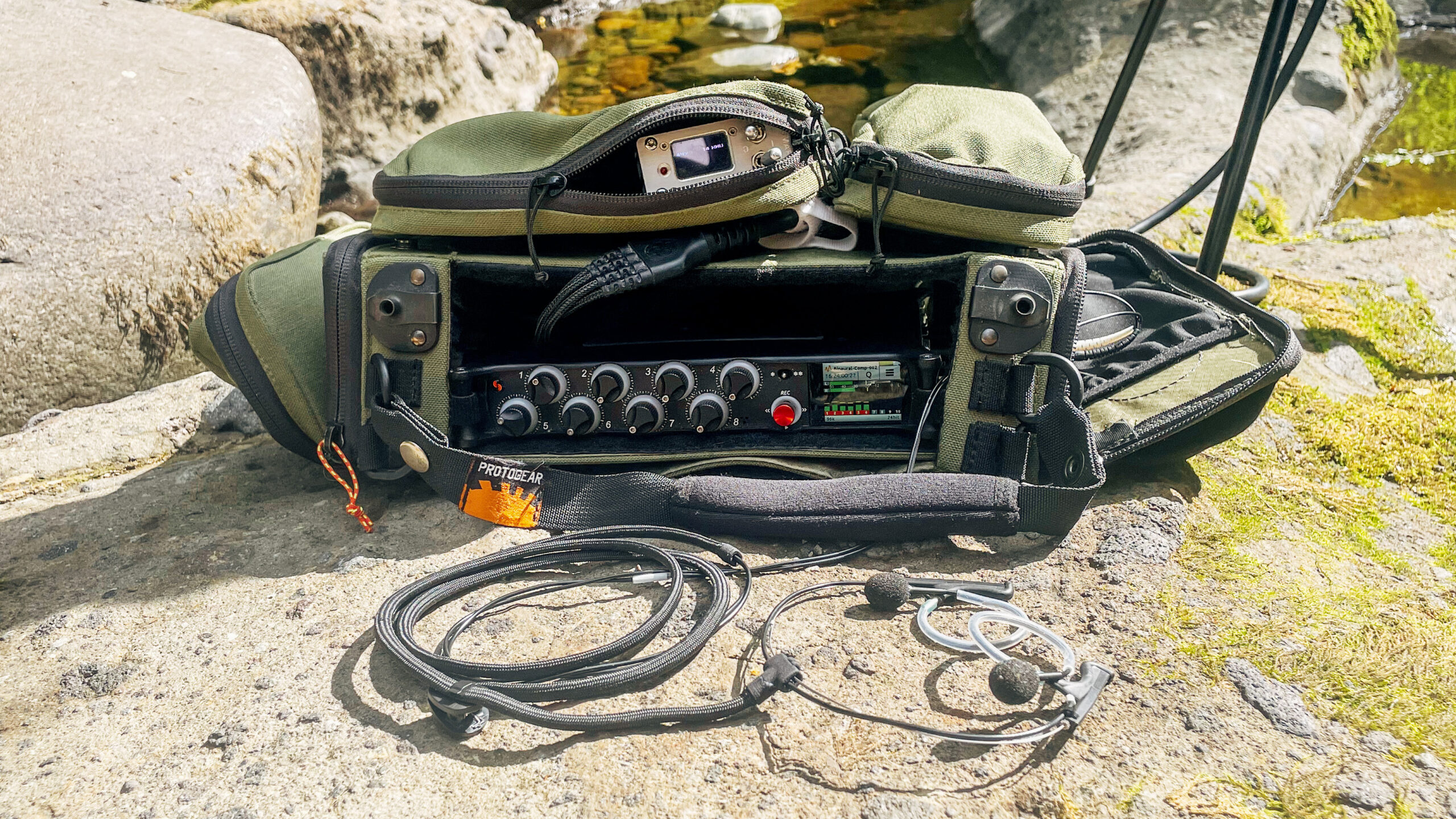
Binaural sound is the difference in time and intensity with which sound reaches each ear, imitating the way we naturally hear sounds. For creating binaural recordings, microphones are placed directly at ear level, using the head as a cavity, or capture systems are mounted directly onto a dummy head or a two-ear device. Capturing sound in this way creates an immersive impression where sounds feel precisely positioned and is especially impactful when listening through headphones.
Here is a selection of binaural systems, suited to various budgets and uses.
Different Microphones On The Market
These microphones are placed directly in the ears, capturing sound from the listener’s perspective. It’s essential to handle cables carefully to avoid unwanted noise, secure the microphones to prevent movement, and use wind protection if needed. A noisy breathing can also influence recordings, which may or may not be desirable.
- Type
- Earphones / microphone integrated system
- Connector
- 2 mono 3.5mm jack connectors
- Price
- Around 90€
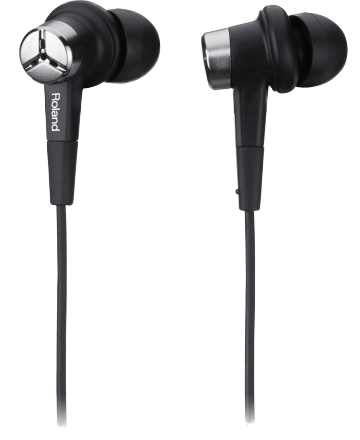
- Type
- In-ear microphone
- Connector
- 1 stereo 3.5mm jack or 2 XLR connectors
- Price
- Around 200€, depending on options
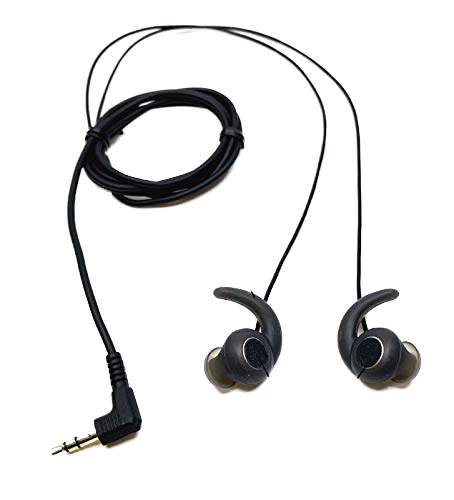
- Type
- In-ear microphone
- Connector
- 1 stereo 3.5mm jack
- Price
- Around 120€ for the classic system, with multiple options available
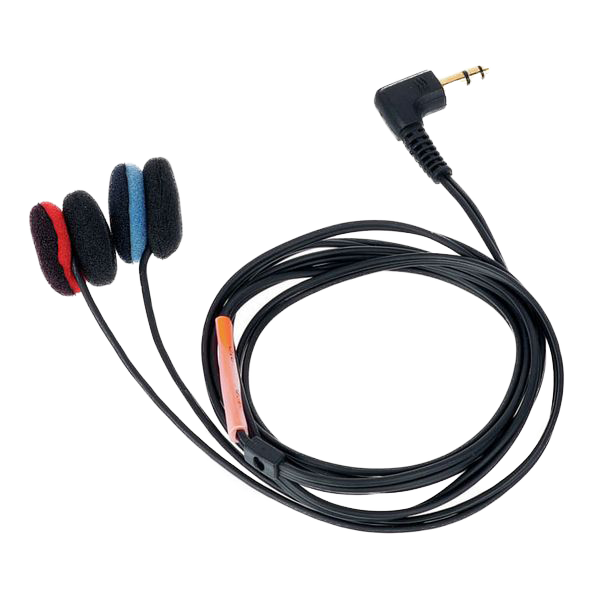
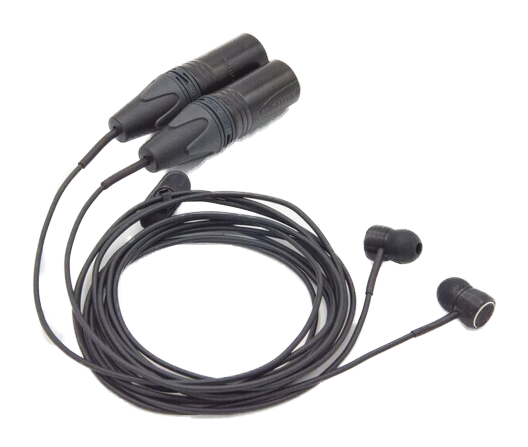
Immersive Soundscape Earsight Binaural
- Type
- In-ear microphone
- Connector
- 1 stereo 3.5mm jack or 2 XLR connectors
- Price
- Around 125€, depending on options
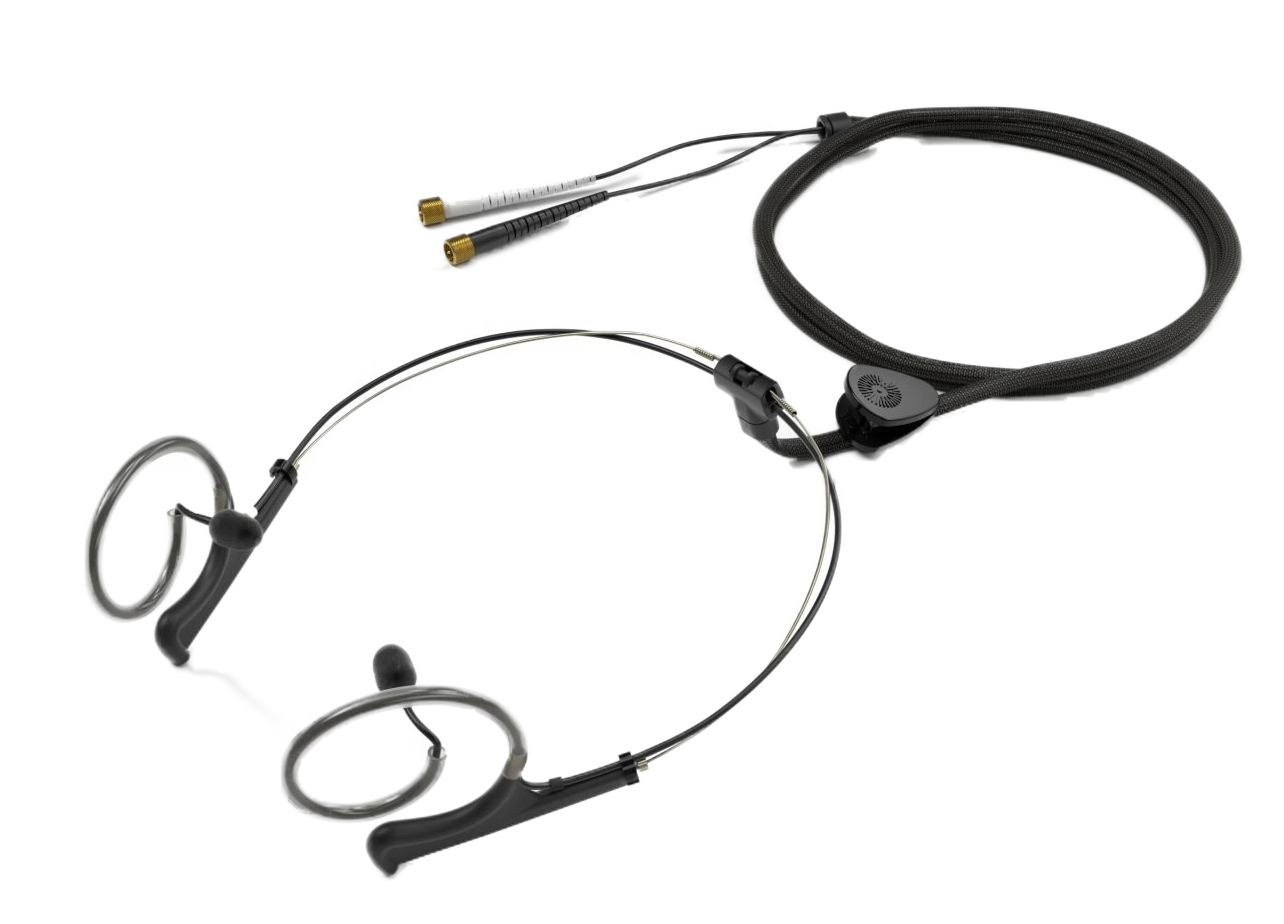
DPA 4560 Binaural Headset Micro
- Type
- Two DPA 4060 with a specific device for positioning microphones in the ears
- Connector
- 2 MicroDot or XLR connector adapters
- Price
- Around 1000€
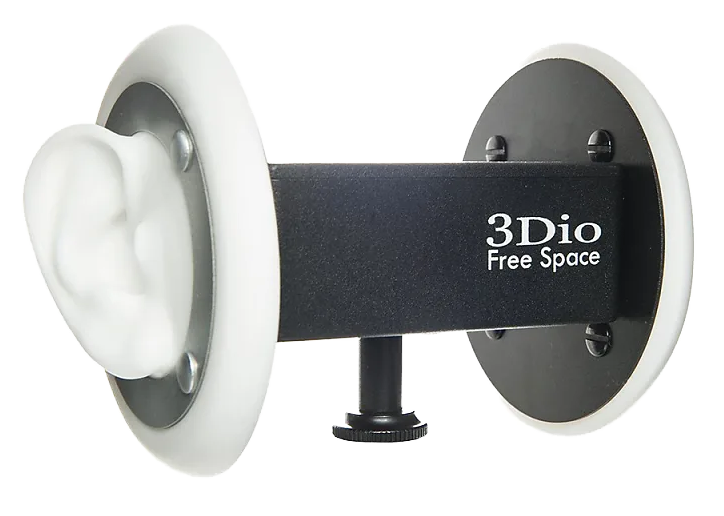
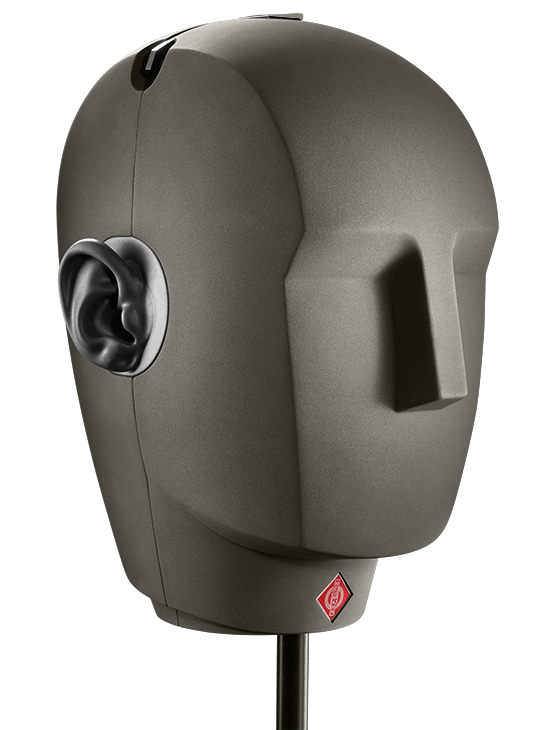
These systems, often called “dummy heads”, simulate the shape of a human head with microphones positioned in the ears to replicate natural listening.Although larger in size, they offer easier setup and are ideal for recordings where the sound engineer is not directly involved in the recording, unlike in-ear systems where microphones are attached to the recordist’s ears, making them a part of the recording. Wind protection is still necessary to ensure sound quality for outside recordings.
- Type
- Two microphones installed in both ears
- Connector
- 1 stereo 3.5mm jack connector
- Price
- Around €400
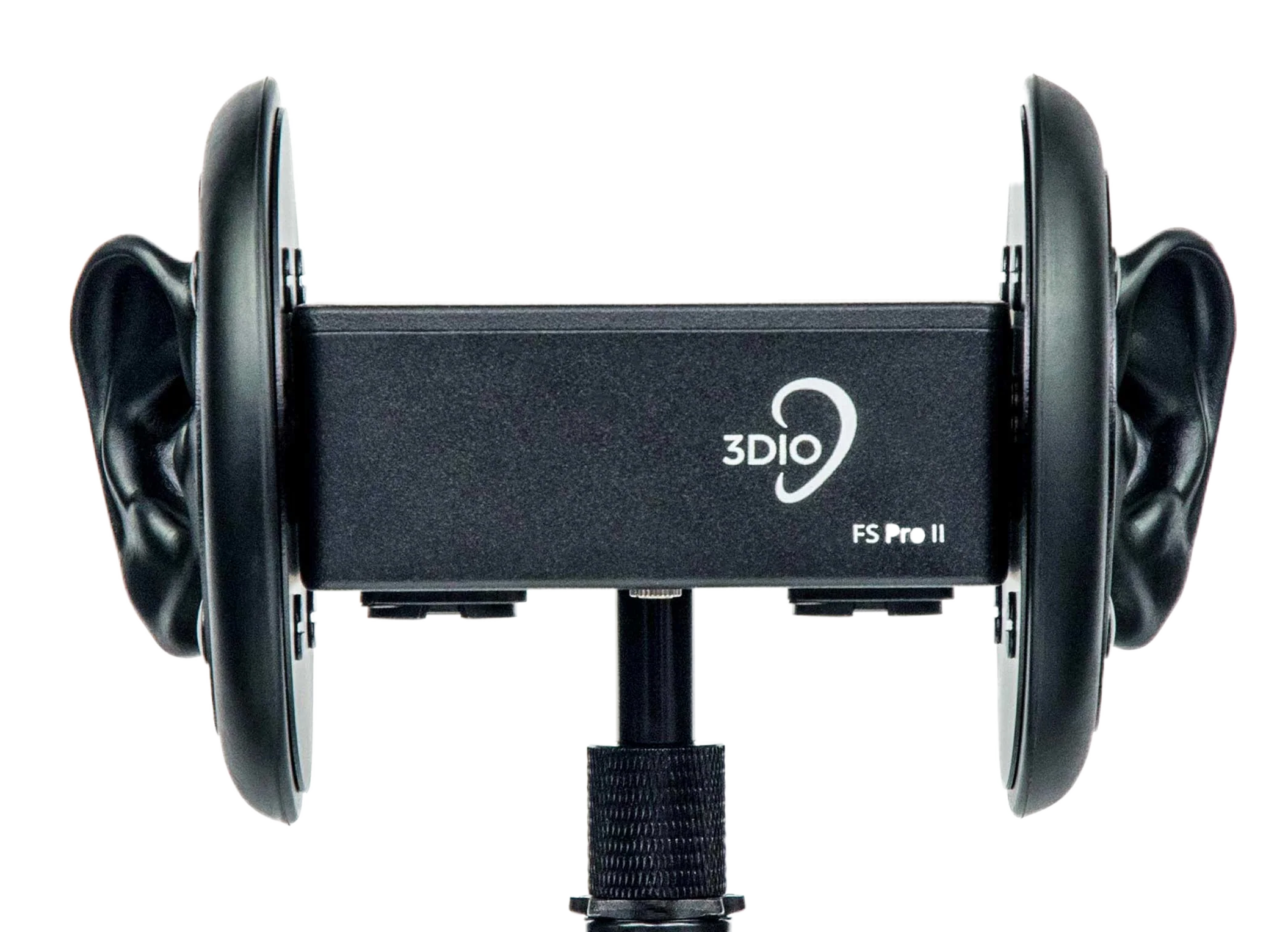
- Type
- Two DPA 4060 microphones installed in both ears
- Connector
- 1 stereo 3.5mm jack or 2 XLR connectors
- Price
- Around €1900
- Type
- Dummy head with integrated microphones in the head’s ears
- Connector
- 2 XLR connectors
- Price
- Around €8900
For DIY enthusiasts, it’s possible to create a custom binaural system using miniature microphones attached to the ears or artificial ears. Installation requires a few precautions, especially if the setup involves movement : secure microphone placement, cable noise management, and wind protection are essential for quality recordings.
- Example of microphones for DIY setups : DPA 4060, Lom Label MikroUsi, Immersive Soundscape, O-Mini P48. I recommend using high-quality microphones to minimize background noise and improve frequency response.
- Plastic ears and support blocks can be found on platforms like Etsy.
Choosing The Ideal Binaural Microphone
Choosing a binaural system depends on your projects, needs and budget. Costs range from a few hundred euros to thousands for the most advanced devices. The approach differs depending on the system. With in-ear devices, recording becomes more immersive as the recordist’s breathing and movement naturally influence the sound capture. In contrast, “dummy heads” are more suited to static, immersive recordings (ASMR, soundscapes) as they avoid body-related noises.
These systems offer a real creative freedom, allowing for the design of unique immersive experiences. By choosing the right equipment, you can fully explore the power and richness of binaural sound.
In conclusion, this guide will help you make the right choice among the various binaural microphone options according to your needs in sound quality, and mobility.
Have you ever experimented binaural sound ? Share your stories in the comments below !